

We are a leading global provider of core technology solutions for the electrification and intelligence of transportation equipment. Our core technology system covers articulated systems and BEC (Battery-eDrive-Cabin) Thermal Management System, providing key technical support for modern transportation equipment in terms of safety, operational efficiency, and electrification and intelligence upgrading.
Our team is composed of a group of passionate and creative professionals who, with a diverse knowledge structure, inspire creative solutions through brainstorming. We advocate for an open, inclusive & innovative culture, encouraging teams to break through boundaries and giving everyone's ideas the opportunity to be valued and realized. We place R&D innovation at the core of our strategy, establish a collaborative R&D system across all disciplines, work closely with top research institutions and OEMs to conduct forward-looking technological research, break through industry technological barriers, and ensure our continued leading position in the field of smart transportation.
We adhere to the concept of corporate social responsibility, following the sustainable development strategy to strive to become a model of green industry, and are committed to helping customers become leaders in the field of new energy industry.


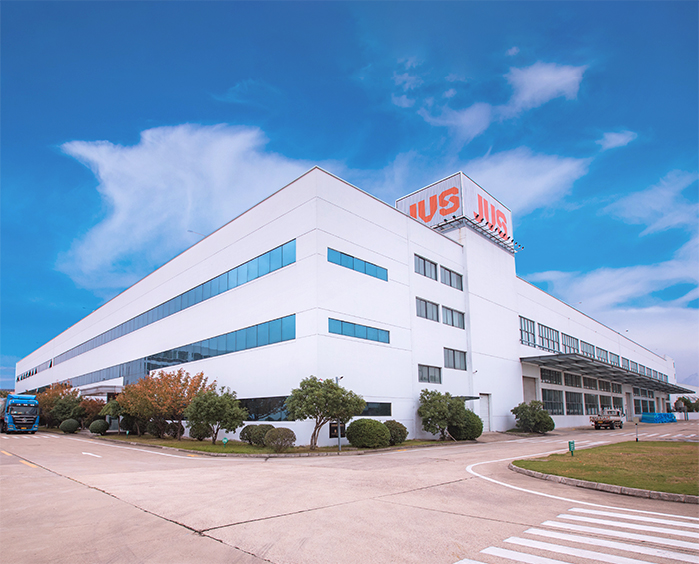
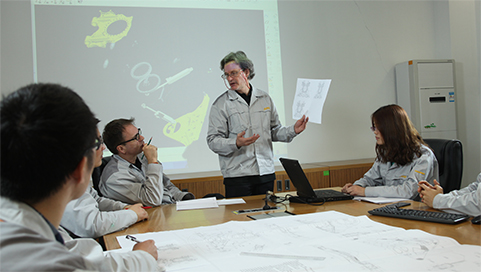

Become a global leader in core technologies for new energy transportation
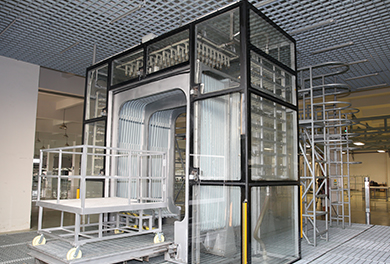
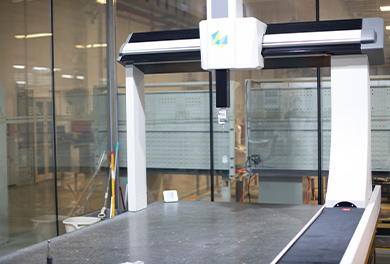
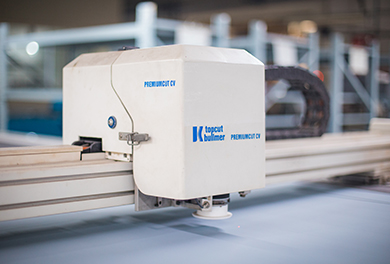
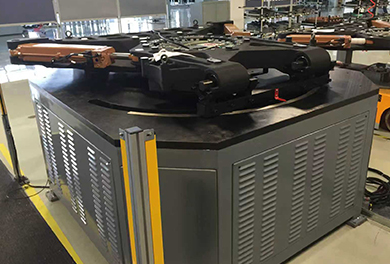
We have a production base of 40,000 square meters and a comprehensive global procurement system, establishing a complete production line and product testing center from precision machining of core components to system assembly. Intensive procurement of raw materials has achieved strong control over unit material costs. We have precision machining and assembly production equipment, flexible automatic assembly production lines, professional laboratories, and road testing bases. We have achieved digital management and intelligent control of the production process, ensuring consistency and stability of product quality. We uphold persistence and reverence for quality, strictly follow international standards, and implement rigorous quality control. The diversified professional knowledge highlights our adaptability in the entire industrial field, and multidimensional solutions cultivate a profound understanding of precision engineering, enabling us to always be at the forefront of the industry.
We pursue advanced technology, have a deep understanding of precision manufacturing, and ensure that our products can adapt to future technological advancements. The solution is modular, adopting mature and flexible technological and commercial paths to meet different usage conditions and subject needs. We are committed to providing efficient and professional technical support to promote the widespread application and sustainable development of JVS technology in various fields.
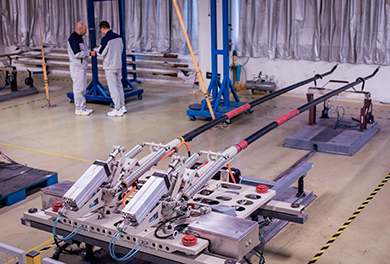
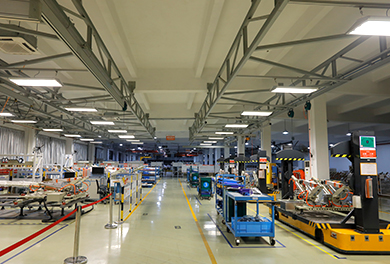



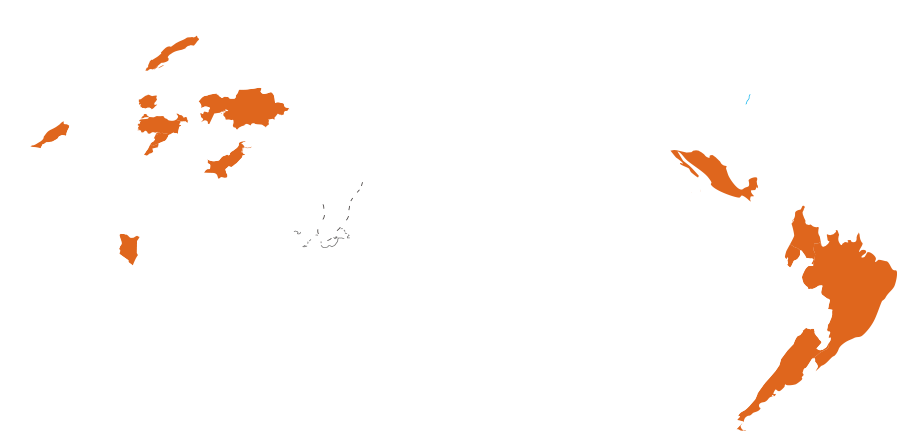
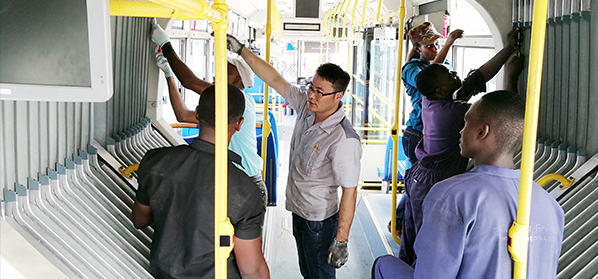
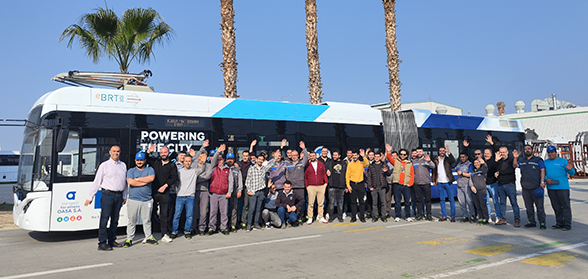
No matter where the customer is, you can feel JVS's quick response. From project initiation to final delivery, extending into use, providing uninterrupted tracking and support. Adhering to the service spirit of crossing regions and accompanying throughout the process, we provide professional and sincere services to global customers.
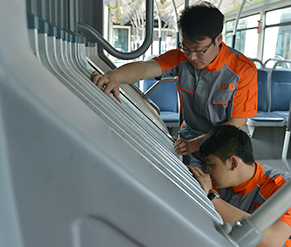
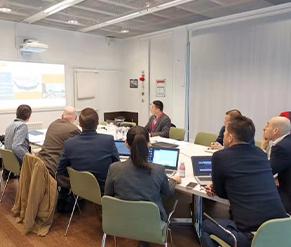
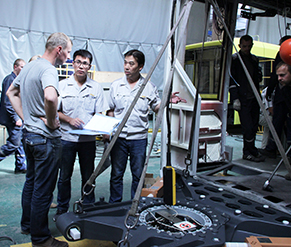

Established stable cooperative relationships with leading global enterprises and institutions

















Transparency, Trust, and Collaboration
Act in Accordance with JVS Values
1. Cooperation with Customers, Suppliers, and Other Business Partners
In addition to expecting high-quality products and services, our customers, suppliers, and other business partners also expect us to demonstrate a high level of professionalism and integrity in our interactions with them. Therefore, our communications and contractual relationships shall always be characterized by correctness, honesty, and transparency.
1.1 Fair Competition
JVS complies with fair competition rules and supports all efforts to safeguard global free markets and open competition. Consequently, JVS will not enter into any contract that would violate applicable laws.
1.1.1 Agreements and Competition Exemptions
All employees must comply with laws against restrictive trade practices. Therefore, any formal or informal agreements with competitors aimed at hindering competition are prohibited. If JVS obtains a dominant market position, such a position must not be acquired through illegal means. All agreements drafted with competitors must be submitted to the company's management for review in advance, and then to the Management Board for final approval.
1.1.2 Corruption and Bribery
JVS has zero tolerance for any form of corruption or bribery. All business activities must be conducted with honesty and responsibility.
Provision and Transfer of Benefits: We rely on the quality and performance of our products and services. Therefore, we prohibit any agreements or supplementary agreements involving the direct or indirect transfer of benefits to individuals or organizations—whether in the arrangement, award, approval, implementation, or payment of contracts. This also applies to third parties. Gifts and invitations are only permitted if their value and financial scope are minimal. Strict standards must be applied, especially for public officials. The acceptance of cash gifts is prohibited under all circumstances. Remuneration paid to third parties, agents, brokers, and other intermediaries—whether in the form of commissions or other payments—must be reasonable and commensurate with the work performed.
Solicitation and Acceptance of Benefits: While business partners usually exchange gifts within limits, accepting gifts may damage the company's reputation and lead to conflicts of interest. For this reason, except for occasional low-value gifts, our employees are strictly prohibited from soliciting or accepting personal benefits (such as services or improper invitations) for themselves or for individuals or institutions closely related to them. The acceptance of cash gifts is prohibited under all circumstances.
Donations and Sponsorships: JVS receives donation requests from various organizations and institutions. Donations must be made in a transparent manner, which means the recipient and the purpose of the donation must be clearly specified. Payments to personal bank accounts are not allowed. Donations shall not be made to organizations that may damage JVS' reputation.
1.1.3 Patents and Intellectual Property Rights
To maintain our competitiveness, we must continuously develop our technology through innovations and improvements to our proprietary technologies. Therefore, protecting our technology through intellectual property rights has become increasingly important. No employee may disclose new knowledge or company secrets to third parties in any form.
1.2 Selection of Suppliers
JVS conducts fair and impartial reviews of all quotations submitted by suppliers. The evaluation, award, and handling of contracts must be based on strict professional standards and carried out in a transparent manner. Under no circumstances shall any supplier be given improper preferential treatment or have their efforts to win contracts hindered.
When selecting business partners, JVS requires that partners also respect the values stipulated in this Code. Violations by partners may result in the termination of business relationships.
2. JVS' Management and Employees
Productivity and talent must go hand in hand to ensure the company's sustained success. JVS' success depends on the support and cooperation of all employees.
2.1 Leadership and Trust
All employees must comply with this Code, and managers must set an example. JVS fosters an atmosphere of trust, and managers are responsible for providing adequate oversight to prevent any violations of this Code.
2.2 Tolerance and Equal Opportunities
JVS respects human rights. We cooperate with employees and business partners from diverse regions, cultures, and backgrounds. We have zero tolerance for illegal discrimination, harassment, or harm. We will not tolerate discrimination based on race, ethnicity, gender, religion or worldview, political opinions, age, or gender identity.
2.3 Fair Working Conditions
JVS provides fair compensation to its employees and ensures fair working conditions in accordance with all statutory requirements. It rejects all forms of forced labor and child labor and will not obstruct the legitimate activities of employee representatives.
2.4 Avoidance of Conflicts of Interest
JVS deems it crucial that employees do not have conflicts of interest or loyalty in the course of their work. For example, such conflicts may arise if a business transaction occurs between JVS and an employee or their family members. Any such transactions must be disclosed to the employee's supervisor in advance.
Part-Time Work: If an employee intends to engage in paid part-time work, he or she must obtain written approval from their manager. For managers, written approval from the Management Board is required.
Political Activities: JVS does not engage in activities involving political parties. However, under no circumstances will employees be prevented from participating in appropriate political activities during non-working hours.
2.5 Asset Protection
The company requires employees to protect JVS' tangible and intangible assets. These assets include property, production equipment, and inventory; securities and cash; office equipment and supplies; information systems and software; as well as patents, trademarks, and proprietary technologies. Legal responsibility will be pursued for illegal acts such as fraud, theft, embezzlement, and money laundering.
2.6 Use of Information
Employees are expected to exercise appropriate caution when using company information.
Confidentiality: Confidentiality must be maintained regarding internal matters that have not been disclosed to the public. This also applies to inventions and other types of proprietary technologies, which are crucial to the company's long-term success. Therefore, employees must not disclose information about new discoveries or company secrets to third parties in any form. This provision remains in effect even after the termination of the employment relationship.
Privacy and Information Security: Electronic information exchange is essential for efficient work but also poses risks to data protection. Therefore, official documents and data storage media must always be protected against unauthorized access by third parties.
The use of internal knowledge for personal gain (for oneself or others) is prohibited.
When preparing oral or written reports for internal or external use, employees are obligated to state facts and are prohibited from tampering with content.
2.7 Occupational Safety, Health, Environmental Protection, and Sustainable Development
JVS makes every effort to protect the lives and health of employees and handle resources and hazardous materials responsibly. All employees must avoid workplace hazards, minimize environmental harm, and use resources economically. In the development and manufacturing of our products, we adhere to the principles of sustainability and environmental compatibility.
2.8 Quality
The market success of our products and services is inseparable from their quality. We require employees to demonstrate maximum creativity, skill, and care in their work and prove to customers and third parties that we maintain high standards.
We will not tolerate any intentional or unintentional acts that lead to a decline in quality.
3. Implementation of the Code of Conduct
3.1 Preface
The company provides employees with information and training to help them comply with laws and the Code of Conduct. If employees still have questions, they may submit them to the Management Board.
3.2 Complaints and Reporting of Misconduct
Any employee has the right to report acts that violate or are suspected of violating the Code of Conduct to the company. Recipients of such reports may include direct supervisors, department heads, or members of the Management Board.
Employees who report valid evidence of actual violations of the Code of Conduct will not be subject to any form of retaliation. Under all circumstances, the company will take necessary measures to protect employees from such retaliation. To the extent possible and legally permitted, the company will keep confidential the identity of employees who report violations or suspected violations in accordance with this procedure. The same confidentiality applies to the identity of employees involved in investigating such violations or suspected violations.
3.4 Implementation Regulations
JVS will issue additional regulations for the implementation of selected provisions of this Code of Conduct. These regulations will also address related matters.
The company's integrated management system for quality, environment and occupational health and safety is built on these principles. It complies with the requirements of ISO 9001:2015, ISO 14001:2015, ISO 45001:2018, SA8000:2014, IATF 16949:2016 and ISO 22163:2023 standards, while taking into account the internal and external factors affecting the organization and the needs of stakeholders.
In view of the nature of the goods and services provided, JVS's policies are as follows:
Improve and ensure the safety of staff in accordance with a growth model that respects diversity, free from any harassment and discrimination;
Promote the sustainable development of the supply chain to control energy consumption and greenhouse gas emissions;
Analyze the impact of these changes on the entire community in terms of economic, social and environmental responsibilities.
Therefore, the vision and core values regarding quality, environment and safety are based on certain principles that must be referred to.
Quality
Prioritize the brand, engage all employees in quality management, pursue excellence, make continuous improvements, and create a better customer experience.
Adhere to the concepts of rigorous design, exquisite craftsmanship, environmental protection and safety to provide customers with safe and reliable products and services.
All employees shall establish awareness of the company's quality and brand, and foster the concept of "brand first, quality foremost" with the participation of all in quality management. Through a management and operation system that involves all employees in quality-related activities, we take the pursuit of excellent quality as the ultimate goal, continuously improve the implemented quality process methods and management approaches, meet the increasing and changing needs and expectations of customers, and create a better customer experience.
With rich design experience, ideas, and a serious, meticulous, prudent and perfection-seeking design philosophy, we create environmentally friendly, safe and reliable products, pursue zero quality defects, standardize and streamline management work, and enhance customer satisfaction.
Environment
Comply with environmental regulations;
Save energy and reduce consumption;
Prevent pollution;
Protect the environment;
Put people first;
Care for life.
Safety
Ensure production safety;
Care for employees' health.
"Ensure production safety" is a prerequisite for the company to maintain stable development. Adhering to the policy of "safety first, prevention first", we strictly comply with relevant laws and regulations, effectively strengthen safety management, continuously improve production methods and safety measures, and minimize accidental injuries and property losses.
"Care for employees' health" embodies the company's important philosophy of "putting people first and building a harmonious enterprise". As valuable intangible assets, employees are highly cared for by the company. A positive mindset and a strong sense of belonging enhance employees' loyalty to the company, fully release their work potential, and ultimately create more and greater value for the company's development and personal progress.
Social Responsibility
Put people first, comply with laws and regulations, make continuous improvements, and pursue harmonious development.
Economic Responsibility: Safeguard the interests of shareholders while creating social value.
Sustainable Development: Take a proactive approach in areas such as environmental protection and resource conservation.
Legal Responsibility: Comply with industry norms and regulatory provisions.
Moral Responsibility: Participate in public welfare and charity activities, and protect employees' rights and interests.
JVS undertakes to maintain the effectiveness of this policy, communicate it to all employees, and conduct continuous monitoring to promptly identify any circumstances that require updates. It is expected that this policy will be re-examined during each management review.
JVS makes this policy available to the public through its official website.
Scope of Application
This Code of Conduct clarifies the expectations for all individuals, organizations, and entities that provide products or services to JVS, regardless of their geographical location. It lays the foundation for new business relationships and ongoing cooperative partnerships with suppliers.
Purpose
At JVS, we are committed to upholding the highest standards of professional ethics, sustainability, and corporate responsibility. Aligned with the company's values, this Code of Conduct provides guidance to suppliers, ensuring their compliance with legal requirements and business practices.
Duties and Responsibilities
This Code of Conduct constitutes an integral part of the contractual agreements between JVS and its suppliers. Suppliers shall understand, acknowledge, and comply with the principles outlined in this Code, and communicate these expectations throughout the entire supply chain.
Content
1. Values
JVS is committed to operating with integrity, transparency, and accountability in all aspects of its business. Our core values include:
Safety: Ensuring the health and safety of all personnel involved in our operations.
Quality: Striving for excellence in products, services, and operations.
Integrity: Conducting business in an honest, ethical, and respectful manner.
Accountability: Taking responsibility for our actions and decisions.
Collaboration: Working with partners to achieve mutual success.
Sustainability: Promoting environmentally responsible practices and sustainable operations.
2. Compliance with Laws and Regulations
Suppliers must comply with all applicable laws, regulations, and standards of the countries where they operate, while also adhering to the provisions of this Supplier Code of Conduct.
3. Human Rights
JVS is committed to upholding human rights in its operations and supply chain. Suppliers shall:
Respect the dignity and rights of individuals.
Prohibit the use of forced labor, child labor, and human trafficking.
Safeguard the right of workers to free movement.
Maintain non-discrimination and equal treatment for all employees.
Protect the rights of vulnerable groups, including women and children.
Respect the right of employees to exercise solidarity in accordance with local laws, free from intimidation, retaliation, or harassment.
4. Working Conditions and Fair Labor
Suppliers shall provide a safe and healthy working environment that complies with all applicable health and safety laws and regulations.
Comply with local labor laws and regulations.
It is crucial to proactively take measures to identify and address workplace hazards.
Provide fair compensation, wages, and reasonable working hours for all employees, as well as benefits for all workers.
Respect the freedom of association and the right to collective bargaining.
Implement policies to prevent workplace harassment, abuse, and discrimination.
5. Health and Safety
Suppliers shall prioritize the health and safety of employees through the following measures:
Identify and eliminate workplace hazards.
Provide appropriate training and protective measures.
Develop emergency preparedness and response procedures.
Ensure worker hygiene and food safety.
Promptly report and handle occupational injuries and illnesses.
6. Environmental Sustainability
JVS encourages suppliers to reduce their environmental impact through the following actions:
Comply with environmental laws and regulations.
Promote resource conservation and waste reduction.
Implement measures to reduce air emissions and pollution.
Promote sustainable practices throughout the supply chain.
7. Anti-Corruption and Business Ethics
Suppliers must conduct business with integrity and transparency, and avoid bribery, corruption, and conflicts of interest.
Comply with anti-corruption laws and regulations.
Prohibit unethical business practices such as bribery, kickbacks, and money laundering.
Maintain accurate and transparent business records.
Report any suspected violations or conflicts of interest.
8. Data Protection and Cybersecurity
Suppliers must protect confidential information and take robust measures to prevent data breaches and cyber threats.
Comply with data protection laws and regulations.
Implement cybersecurity best practices.
Promptly report cybersecurity incidents involving JVS' data or systems.
9. Respect and Collaboration
JVS values open communication and collaboration with suppliers. We expect suppliers to:
Maintain open, honest, and respectful communication channels.
Collaborate effectively to achieve shared goals and objectives.
Address any concerns or issues in a timely and transparent manner.
10. Oversight and Reporting
JVS is committed to complying with the principles outlined in this Supplier Code of Conduct and expects its suppliers to share this commitment. JVS reserves the right to monitor suppliers' compliance with this Supplier Code of Conduct. Suppliers are encouraged to report any violations or related issues through designated channels.
Supplier Confirmation
Hereby confirm that:
The Supplier has received and carefully reviewed a copy of the JVS Supplier Code of Conduct.
The Supplier undertakes to comply with the terms hereof and recognizes that these terms will serve as the basis for all current and future business interactions.
The Supplier confirms that these terms shall form part of any contractual agreement between the Supplier and JVS, regardless of whether such terms are explicitly mentioned in the contract.
The Supplier confirms that it may be required to reaffirm its compliance with this Code.
The Supplier shall be responsible for ensuring that its employees, company representatives, subcontractors, and any affiliated business partners comply with this Supplier Code of Conduct when conducting business with JVS.
I confirm that I have the authority to sign this document on behalf of the following Supplier, and that the Supplier has confirmed the matters set forth above.
Name: ________________
Title: _______________
Company: _____________
Signature: ___________
Date: ________________
1. Purpose
The purpose of this document is to communicate JVS' quality requirements for the submission of initial raw material samples and mass production. These requirements apply to dedicated raw material suppliers and regular mass production suppliers that provide raw materials/sample parts and/or mass-produced parts to JVS.
2. Requirements
2.1 Part Submission Warranty Requirements
The Part Submission Warranty (PSW) must be completed in full (no blank fields allowed) and signed by an authorized representative of the supplier responsible for preparing the submission package. A separate warranty form must be provided for each shipment of parts.
Identification and Traceability – Suppliers shall identify and mark each individual part requiring traceability, such as safety-critical parts. Suppliers shall also establish and implement a minimum batch traceability system for other parts. Shipments of parts shall comply with the identification and traceability labeling requirements notified by JVS.
2.2 Control Plan, Failure Mode and Effects Analysis (FMEA), and Process Flow Diagram
A Control Plan and a complete Process Flow Diagram shall be developed and submitted to document the manufacturing process and/or related processes for these parts.
This document shall also record the dimensional characteristics to be inspected (with Key Control Characteristics (QCC) highlighted), sample size, and inspection frequency.
The frequency of dimensional inspection and/or verification shall generally be higher than the production frequency. In addition, alternative processes or rework shall be clearly specified in the Control Plan.
If there are sub-suppliers (e.g., for electroplating, heat treatment, painting), these processes shall also be included in the document. Furthermore, FMEA analysis must be conducted for the produced parts.
Control Plan – Suppliers shall review and confirm the Control Plans of all sub-suppliers related to JVS. In case of updates, suppliers shall review the Control Plans and verify their compliance with requirements. If such changes affect the appearance, compatibility, performance, or reliability of the product, JVS' Quality Department shall be notified.
Suppliers shall review and confirm the Control Plans of themselves and their sub-suppliers related to JVS' safety and/or regulatory parts (S/R) during the Production Part Approval Process (PPAP). If there are any questions or updates regarding the quality requirements for controlling suppliers, plans, or change requests during mass production, JVS' Quality Department shall be notified, and the supplier shall obtain JVS' approval before implementing the changes.
Process Audit – Suppliers shall conduct a process audit at least once a year. The frequency of audits may be increased if there is a need (e.g., process instability, increased anomalies, process/product changes, etc.).
Problem Solving – Suppliers shall use root cause analysis in problem-solving. For the follow-up of corrective actions, the JVS Quality Issue Report Form shall be used, and objective evidence of effectiveness verification shall be added to the report within the specified time frame.
2.3 Dimensional Characteristic Inspection
For parts used in testing and/or assembly: A complete bubble chart (including notes) and a corresponding 100% dimensional layout inspection report must be provided for at least one part, unless otherwise instructed by JVS personnel. It is the supplier's responsibility to perform or arrange for the inspection and/or testing of parts to demonstrate compliance with design record requirements. For castings, forgings, plastic, or rubber parts produced from multiple molds or cavities, one part from each mold or cavity shall undergo a 100% dimensional layout inspection.
2.4 Safety-Related Characteristics (SRC) and Quality Control Characteristics (QCC)
For raw material/sample parts used in testing/assembly: All QCC dimensions must be measured 100% for each part, unless otherwise specified. Additional characteristics deemed critical by the Engineering and/or Quality Department may also require measurement.
For production parts shipped to JVS: All QCC dimensions shall be measured 100% in accordance with the Control Plan, unless otherwise specified. Once process capability is proven, suppliers shall track the dimensions using SPC charts, maintain the data, and provide it upon request.
If the characteristics to be inspected require destructive testing, suppliers shall coordinate with the relevant JVS engineer to obtain guidance. Suppliers must provide inspection records for each shipment in accordance with the Control Plan, including dimensional data (for variable characteristic measurements) and/or pass/fail results (for attribute characteristics).
Special Characteristics – JVS defines factors that cause product functional and technical issues as safety problems and/or non-compliance, vehicle failures, and dissatisfaction of end-users/operators. These factors are classified as follows:
If the end customer requires additional characteristics, JVS may add some extra special characteristics.
Suppliers shall comply with the special characteristics defined by JVS and its customers and mark all special characteristic items in the Control Plan.
All critical dimensions (functional and assembly-related) must be controlled by the primary supplier. Suppliers shall not transfer/subcontract the control of critical dimensions to their first-tier suppliers or subcontractors. If certain final dimensions are controlled by JVS' first-tier suppliers/subcontractors, JVS' primary supplier shall still bear the ultimate responsibility.
For SRC parts, suppliers must maintain "internal rejection" data for regular analysis. JVS and the supplier shall jointly determine the review frequency of internal rejection data (quarterly or semi-annually). This is crucial from the perspective of process reliability.
2.5 Material Certificate
A Material Certificate is a mandatory document provided by the material manufacturer and/or heat treatment supplier, specifying the manufacturing location, batch number, product identification number, product name, testing date, JVS specification, and whether the actual test data complies with the product specification. The Material Certificate shall be regarded as part of the submission documents. It shall be issued on the supplier's letterhead and dated. Suppliers shall maintain traceability records. This document must be provided for each batch of heat-treated parts.
Metal/Plastic/Rubber Certification: (i.e., chemical and mechanical properties)
Heat Treatment Certification: (e.g., temperature, tempering, core/surface hardness, case depth, metallographic analysis)
Paint/Coating/Primer/Rust Prevention Certification: (e.g., thickness, grade, viscosity)
Surface Treatment: Forgings/castings shall have scale removed by sandblasting or shot blasting.
The following information shall be provided for issues related to castings and forgings:
Documentation requirements, including mechanical property testing on test specimens cut from castings or forgings whenever possible.
Documentation requirements, including cutting samples to prepare test pieces for evaluation: mechanical properties, ductility, tensile strength.
Sequential sampling inspection shall be conducted on production parts at appropriate specified intervals. Ultrasonic inspection shall be performed on billets before forging to meet the appropriate grade.
Heat-Treated Parts:
For Safety-Related Component (SRC) parts: Suppliers shall conduct sample testing on the first and last parts of the production batch. (e.g., documentation requirements include, but are not limited to: surface/core hardness, hardening depth)
For non-SRC parts: Suppliers only need to provide one part for sample testing. (e.g., surface/core hardness, hardening depth)
2.6 Molds (for Castings)
Suppliers shall report the type of tooling to be used, such as red-board tools or brown-board tools.
2.7 MSDS Requirements
A Material Safety Data Sheet (MSDS) shall be provided as part of the submission.
2.8 Serialization Information/Part Identification
Parts shall be serialized. Common marking methods include laser etching, manual etching, pin stamping, or embossing. For multiple batches provided under the same part number, serial numbers shall be consecutive to avoid duplication of numbers across different batches, unless the serial number starts with a unique batch number or date.
2.9 Inspection and Test Equipment
When using inspection and/or test equipment (such as gauges, fixtures, inspection aids, or templates) to inspect and/or test parts, suppliers shall be responsible for verifying that the equipment has been calibrated/verified as qualified. Suppliers shall have completed appropriate Measurement System Analysis (e.g., GR&R or similar studies) for gauges, and the gauges must be calibrated with complete standard traceability. The results of these activities must be provided for review upon request by JVS Quality personnel.
2.10 Deviations (Concessions)
If parts do not meet the design record requirements (i.e., dimensions are out of specification or parts fail to meet metallographic requirements), the supplier shall be responsible for completing a Concession Request Form and submitting it to the JVS Quality Manager for signature circulation among relevant departments if applicable. The Concession Request Form shall include the supplier's corrective actions before signature circulation can begin. The form must be approved before the supplier is granted shipment permission. Please note that submission of this form does not guarantee approval by JVS.
2.11 Parts/Submissions Sent to JVS (for DV/PV Testing)
Unless a paper version is specified, an electronic copy of the submission shall be sent to JVS' Quality and Product Engineers for review and processing. The supplier shall also be responsible for sending an electronic copy of the submission to JVS' Quality Department, unless a paper version is specified.
2.12 Parts/Submissions Sent to JVS (for Material Technical Evaluation)
For parts/submission materials sent to JVS' Technical Department for verification, unless otherwise specified, an electronic version of the supporting documents shall be submitted to JVS' Technical Department. Suppliers providing castings or forgings must provide at least one sample (one from each cavity if applicable) to JVS' Technical Department for review, unless otherwise specified. If parts undergo heat treatment, samples before and after heat treatment may be provided upon request by the Technical Department. All parts submitted to JVS must be accompanied by the corresponding application number.
2.13 Reference Documents
JVS requires suppliers to use the following AIAG (Automotive Industry Action Group) reference guides specific to the automotive industry:
APQP: Advanced Product Quality Planning
PPAP: Production Part Approval Process
FMEA: Failure Mode and Effects Analysis
SPC: Statistical Process Control
MSA: Measurement System Analysis
2.14 Supplier Quality Management System Development
An effective Quality Management System (QMS) established in accordance with IATF 16949 or updated versions of the standard and regulations is a prerequisite for establishing a supplier relationship with JVS. The effectiveness of the QMS is reflected in:
Continuous and verifiable process, procedure, and product improvements
Delivery quality
Delivery reliability
Effectiveness and timeliness of corrective action implementation
Communication at all levels
Appropriate and timely handling of new and revised projects
The goal of this QMS is to achieve "zero defects". The minimum requirement is to provide evidence of ISO 9001 certification.
For these suppliers, certification in accordance with IATF 16949 or updated versions will be required in the medium term. JVS reserves the right to audit and evaluate the QMS, processes, and products with prior notice, if applicable to its customers. For this purpose, JVS representatives and our joint customers shall be granted access.
Heat treatment services shall be provided by suppliers with IATF 16949 QMS certification or ISO 9001 certification. Surface treatment/coating/painting services shall be provided by suppliers with IATF 16949 QMS certification or ISO 9001 certification.
Suppliers shall require their sub-suppliers (that provide products, materials, and/or services to them) to obtain ISO 9001 QMS certification from an accredited third-party certification body and shall verify compliance with this certification.
Warning: If a supplier needs to deviate from JVS' quality standards, it must provide a written statement identifying uncertified sub-suppliers and their planned certification dates. After the planned date is reached, the sub-supplier shall complete the certification process; otherwise, the approval process for an alternative sub-supplier shall be initiated.
2.15 External Laboratories
When using an external laboratory, the supplier shall confirm that the laboratory has obtained accreditation for the scope of testing used in accordance with ISO/IEC 17025 or national equivalent standards. If no such accredited laboratory exists, this shall be indicated in the Control Plan or Verification Plan, and the supplier shall obtain written approval from JVS' Quality Department.
2.16 Monitoring and Measurement of Manufacturing Processes
If the process capability and performance (Cpk/Ppk) values are lower than the target, the supplier shall immediately notify JVS' Quality Department and take corrective measures to prevent delays in product procurement.
Unless other index values are specified, for characteristics in the Safety (S) category, suppliers shall achieve Cp/Cpk (Process Capability) and Pp/Ppk (Process Performance) ≥ 1.67 (target defect level: 0 PPM). Before conducting Cpk monitoring, the process shall be confirmed to be stable and normally distributed.
Unless other index values are specified, for R & M (Reliability and Maintainability) category characteristics, suppliers shall achieve Cm/Cmk ≥ 2.00, Cp/Cpk ≥ 1.67, and Pp/Ppk ≥ 1.67. Before conducting Cpk monitoring, the process shall be confirmed to be stable and normally distributed.
Unless other index values are specified, for other characteristics, suppliers shall achieve Cm/Cmk ≥ 1.67, Cp/Cpk ≥ 1.33, and Pp/Ppk ≥ 1.33. Before conducting Cpk monitoring, the process shall be confirmed to be stable and normally distributed. If these index values (Cm, Cmk, Cp, Cpk, Pp, Ppk) are not met, the supplier shall conduct its own research based on JVS quality information.
In case of process instability and/or failure to meet index values, the supplier shall immediately notify JVS' Quality Department.
2.17 Supplier Evaluation
JVS evaluates its suppliers through monthly reports based on established criteria. Suppliers shall review the JVS Supplier Performance Evaluation Report, analyze it, and plan improvement activities for required items.
JVS Supplier Performance Evaluation Rating Classification; Supplier Quality Performance Evaluation Criteria; (Issues and Scores)
Certification | Available | Available | Available | Not Available |
IATF16949 | Included | Included | Not Included | Not Included |
ISO9001 | Included | Included | Included | Not Included |
ISO14001 | Included | Included | Not Included | Not Included |
ISO45001 | Included | Included | Not Included | Not Included |
Score | 15 | 19 | 5 | 0 |
Does the supplier send a Quality Control Report (PDI) for each delivery in accordance with the inspection agreement? A score of 15 is given if the compliance rate exceeds 75%, 5 if it is below 75% but above 50%, and 0 if it is below 50%.
Range | Score |
>70% | 15 |
70%-50% | 10 |
<50% | 5 |
JVS Annual QPR (Quality Problem Report) Percentage Calculation: This calculation is based on the total annual QPR for evaluation.
Range | Score |
<5% | 15 |
5%-10% | 10 |
10%-20% | 5 |
>20% | 0 |
JVS Customer Returns: A score of 25 is given if the parts are not rejected by JVS' customers, and 0 if they are rejected.
Non-Conformance Rate at Incoming Inspection
Range | Score |
<0.5% | 15 |
0.5%-1% | 10 |
1%-20% | 5 |
>20% | 0 |
Delivery Performance
Range | Score |
>70% | 15 |
70%-50% | 10 |
<50% | 5 |
Supplier Classification:
Group A, "Best Supplier": 90 ≤ Score ≤ 100
Group B, "Excellent Supplier": 75 ≤ Score < 90
Group C, "Average Supplier": 50 ≤ Score < 75
Group D, "Seek Alternative": 0 < Score < 50
All suppliers in Group D shall comply with the provisions for controlled shipping levels.
2.18 Process Audit
Suppliers shall conduct a process audit at least once a year. If there is any need (e.g., process instability, increased non-conformities, process/product changes, etc.), more than one audit shall be planned and implemented. Suppliers may determine the form of process audit independently. JVS recommends referring to VDA 6.3 Process Audit.
2.19 Customer Notification
If non-conforming products have been shipped, the supplier shall immediately notify JVS' Purchasing and Quality Departments both verbally and in writing.
2.20 Customer Disclaimer
Suppliers shall submit a written application to JVS' Purchasing Department for the necessity of exemption using the "Supplier Exemption Application Form". The form shall include a description, deadline, and/or quantity information. JVS may require some parts for testing and investigation before approval. In such cases, the supplier shall send the required parts in a timely manner according to the requested order quantity and ensure they meet the expected quality. Please use the linked "Supplier Exemption Application Form" document to submit exemption requests.
2.21 Problem Solving
Suppliers shall use root cause analysis and problem-solving techniques such as 5Why, 6Sigma, and 8D.
For the follow-up of corrective actions, the Non-Conformance Report Form shall be used, with time constraints taken into account, and objective evidence of effectiveness verification shall be added to the report.
2.22 Testing and Analysis of Non-Conforming Products
Upon receiving the non-conformance notification from JVS, the supplier shall inspect its inventory, stop shipping non-conforming parts, complete problem analysis after receiving the non-conforming parts, and inform JVS of the results of the problem analysis.
The supplier shall immediately complete the testing and analysis of the returned parts and notify JVS of the results. After receiving the notification, the supplier shall plan corrective actions; control of production/semi-finished products and warehouse inventory shall be completed within 1 working day, and qualified products shall be shipped to JVS. If JVS issues a Non-Conformance Report (NCR), the supplier shall complete and submit the NCR to JVS within the specified time as required.
2.23 PPAP Submission
For temporary controls, samples shall be delivered together with Level 2 PPAP documentation. For production line trials and part approval stages, samples shall be delivered together with Level 3 PPAP documentation. A Declaration of Restricted and Prohibited Substances shall be added to the PPAP documentation, with the following information clearly stated:
All restricted/prohibited materials must be declared in accordance with current EU regulations;
A list of restricted/prohibited substances, along with part names and part codes/numbers;
Confirmation of approval, accompanied by an authorized signature.
In addition to the above requirements, the PPAP documentation must also include a list of the scope of internal/external laboratories and a list of molds/fixtures.
JVS may require additional information and use alternative formats based on the requirements of key customers.
JVS may request suppliers without ISO 16949 certification to provide Part Quality Reports. Such reports shall include dimensional inspection reports, material reports, mechanical performance test reports, etc.
During the review of PPAP documentation and Control Plans in the prototype stage, the supplier shall notify JVS of all dimensions that will be maintained by its first-tier/second-tier suppliers. Any changes to the processes, layouts, or methods of second-tier suppliers must be notified to JVS in advance.
2.24 Approved Change Requests – Change Management
If the supplier modifies approved materials or processes, it shall notify JVS.
Prior to implementing the change, the supplier must receive written approval from JVS (permanent changes via PPAP submission, temporary changes via Concession Request Form). No concessions shall be allowed without proper verification and customer approval.
Any changes to packaging methods, materials, or systems must be notified to JVS in a timely manner. JVS’ Quality Department will review these changes and make a decision. (The supplier and JVS may conduct a risk analysis to assess potential risks.)
The supplier must maintain change management records (for design/tooling/processes, etc.) to facilitate regular reviews by JVS in accordance with document retention policies.
2.25 Subcontractors (Outsourced Suppliers)
The supplier is responsible for the development of its subcontractors as required. If the supplier places orders with subcontractors, those subcontractors must also comply with JVS’ requirements.
The replacement of subcontractors must be notified to JVS in advance and requires JVS’ approval. The Production Part Approval Process (PPAP) must be executed. JVS reserves the right to audit subcontractors, which may be conducted jointly with JVS’ customers. Advance notice will be provided. However, this does not mean that the supplier can be relieved of its responsibilities to the subcontractors and JVS.
Subcontractor Status: It must be ensured that qualified subcontractors are used for the project. If requirements are not met, an improvement plan must be developed and implemented before the start of mass production delivery.
If an JVS (primary) supplier outsources "special processes" (such as painting, heat treatment, surface treatment/coating, electroplating, etc.), it must notify JVS in advance. The supplier must conduct a "process audit" on its subcontractors and report to JVS for approval. JVS’ Quality Department will review the process audit data and reserve the right to conduct "process audits" at the subcontractor/first-tier supplier to approve the special processes.
3. Shipping Methods
All suppliers shipping goods to JVS shall indicate the following information on the shipping document:
Serial number, engineering grade, project, supplier identification, and serial number of parts;
Purchase order number;
Shipping weight;
Quantity of parts;
Quantity of any equipment shipped with the goods;
Shipping date.
Shipping documents that do not contain the correct information may be rejected at the shipping/receiving dock. A Defective Material Notice (DMN) will be issued as appropriate.
3.1 Container Labeling
All packages must be marked with the part number, version, supplier identification, address, and serial number. A part label must also be affixed to the package.
4. Record Retention
The minimum retention periods for records are as follows. Suppliers have the right to extend these retention periods:
PPAP content and tooling records, purchase contracts and correspondence, records of special characteristic selection activities, part and process control/SPC records, performance test results, traceability records, process/product audit records, information records belonging to technical documents or revisions, raw material test samples, part sections or parts (to prove part compliance): The retention period shall be 1 calendar year beyond the effective part lifespan (warranty liability period for series production), or at least 15 years after the end of series production.
System audit records and management review meeting records: Retained for at least 6 years.
Warning: Before destroying these records, the supplier must obtain written approval from JVS’ Purchasing Department. The above retention periods shall not be shorter than the retention periods required by law; if the legally required retention period is longer, the supplier shall comply with the legally required retention period.
5. Supporting Documents
Part Submission Warranty (PSW),
Full-Dimensional Inspection Report,
Material Certificate,
Performance Report,
Drawings,
Control Plan,
Process Flow Diagram,
FMEA (Failure Mode and Effects Analysis).
6. Environment
As a supplier to JVS, the company must be environmentally friendly, with its systems and processes configured to meet the following objectives:
Reduce the use of raw materials and energy to protect natural resources;
Minimize waste, support recycling, and take all necessary preventive measures;
Control the environmental impact of waste, and safely dispose of or entrust the disposal of non-recyclable waste to avoid environmental damage;
Use environmentally friendly products;
Conduct necessary activities to enhance employees’ environmental awareness and promote its development, so as to achieve our environmental objectives.
7. Revision Record
Serial No. | Revision Date | Revision Content | Version |
1 | 2025/11/30 | Initial Version | A/0 |
1. Purpose
This procedure also applies to JVS and aims to establish a clear and secure system for reporting misconduct or violations within the company, while ensuring that reporters are protected from any form of retaliation or discrimination.
2. Scope of Application
This procedure applies to all employees, collaborators, suppliers, and other relevant parties with a relationship with the organization. Reportable behaviors include:
Abuse of authority; Corruption; Fraud; Maltreatment; Harassment; Racial discrimination; Violence; Environmental violations; Safety violations.
It does not apply to the following types of matters: disputes, claims, or requests related to the personal interests of the reporter in business communications or those who have filed charges with judicial or audit authorities; matters involving only personal interests and individual labor relations, particularly labor relations with direct supervisors.
In general, the company recommends that employees resolve any work-related issues through dialogue where possible, with the assistance of their supervisors and/or the Human Resources Department.
3. Reporting Methods
In accordance with the law, JVS has established a reporting channel to ensure the confidentiality and anonymity of reporters, involved parties, and individuals mentioned in the report, while also ensuring the confidentiality of the report content and related documents. Reports can be submitted electronically via the website.
Reports must be detailed and include all relevant information, such as:
Description of the incident;
Date and location of the incident;
Names or roles of involved personnel (if known);
Any available written evidence.
4. Report Management
Reports will be received and handled by a specially established Reporting Committee, which is formed in accordance with personal data protection regulations.
The Committee will proceed in the following phases:
4.1 Preliminary verification to determine whether the received communication is accompanied by the necessary information to verify its validity and initiate in-depth investigation activities;
4.2 Registration of the report and notification of receipt within 7 days;
4.3 Investigation and in-depth understanding of the reported facts through specific investigations;
4.4 If necessary, the Committee may continue to engage with the reporter to request additional information and supplementary materials;
4.5 Anonymous reports will only be handled if the circumstances are fully described;
4.6 Notification of the investigation results and, if required, implementation of corrective or disciplinary measures. Results will be provided within a maximum of 3 months from the receipt of the report;
4.7 At the end of the preliminary verification, the Committee may file internal reports in the following cases:
The report is deemed to lack specific circumstances;
Insufficiently detailed information is available for further research or verification of authenticity;
The report is unfounded.
5. Protection for Reporters
The identity of the reporter will be kept confidential, unless otherwise required by law.
Any form of retaliation, discrimination, or punishment against individuals who report in good faith is prohibited.
The company will provide legal support when necessary and ensure the implementation of appropriate protective measures.
6. Confidentiality Obligations
All collected information will be processed in accordance with current personal data protection regulations. Access to information is restricted to authorized personnel only.
7. External Channels
If the internal channel is unavailable, or if the reporter believes that an internal report may be ineffective, reports may be submitted to the following institutions:
National authorities: Public Security Bureau, Anti-Corruption Bureau, etc.
8. Monitoring and Review
This procedure will be regularly monitored to assess its effectiveness and updated if necessary in accordance with regulatory changes or organizational needs. In addition, the Reporting Committee shall provide an annual report to the company's management body, including summary information on the reports received and the measures taken.
9. Sanctions and Responsibilities
Reporters who intentionally provide false reports will be subject to corresponding penalties in accordance with regulations.
Measures will be taken against individuals who obstruct reporting or violate the confidentiality provisions related to reporters.
10. Personal Data Processing
All processing of personal data will be conducted and stored in accordance with the law, and appropriate technical and organizational measures will be adopted to ensure its security.
Contact JVS to experience professional services and values

 Language